 RainsFlo
 When valve packing starts blowing out mid-shift, the instinct is to grab a wrench and crank down until the leak stops. Resist that. This kind of failure can spray hot fluid, steam, or chemicals, create slip hazards, and turn a manageable problem into damaged hardware. The best response is simple: make the area safe, stabilize the leak, then plan the correct repair so it does not repeat.
Why Valve Packing Blows Out
Most blowouts come from a few predictable drivers. Over-tightening the gland to chase “zero leak” can over-compress the material, increase friction, and accelerate stem wear. Pressure spikes and heat cycles can relax compression over time. Certain services can harden or degrade the material, while a worn or pitted stem creates leak paths that packing cannot reliably conform to. Old rings may also seize to the stem; when the valve is stroked, that seized material can tear, and the leak can go from “annoying” to urgent fast.
Safety-First Checklist Before Touching the Gland
- Identify hazards at the leak point: pressure, temperature, steam, chemical exposure, and spray direction.
- Use the right PPE and keep non-essential staff out of the area.
- Reduce pressure and follow your site LOTO procedure before hands-on work.
- Add containment (drip trays, absorbents, splash shielding) to control runoff and overspray.
If you are seeing active extrusion or a jetting spray, slow down. A controlled, procedural response protects people and reduces the chance of making the valve packing situation worse.
How To Stabilize the Leak Without Creating Damage
Once the valve is isolated or pressure is lowered, the short-term goal is not perfection. The goal is controlled leakage and safe operation until the proper repair can be completed.
If your procedures allow gland adjustment in service, tighten evenly in small increments, alternating sides so the follower stays square. Pause between adjustments to observe the leak rate and temperature at the gland area. Stop as soon as leakage becomes manageable and the stem can still move as required. The fastest way to escalate an event is to over-tighten, generate heat, and score the stem.
If you can take the valve out of service, repacking is usually the smarter choice. Remove the old material completely so you are not compressing fresh packing against debris, hardened remnants, or seized fragments. Clean the stuffing box thoroughly, verify the follower face is even, then repack and adjust with patience. Done correctly, valve packing should reduce leakage while still allowing smooth valve operation.
Where Putty-Pac fits in a Valve Packing Emergency
RainsFlo’s Putty-Pac is positioned as a packing option intended to help reduce pitting and corrosion over time and help prevent packing seizures to stems. It can be a practical field-friendly choice when the valve design and service conditions support it,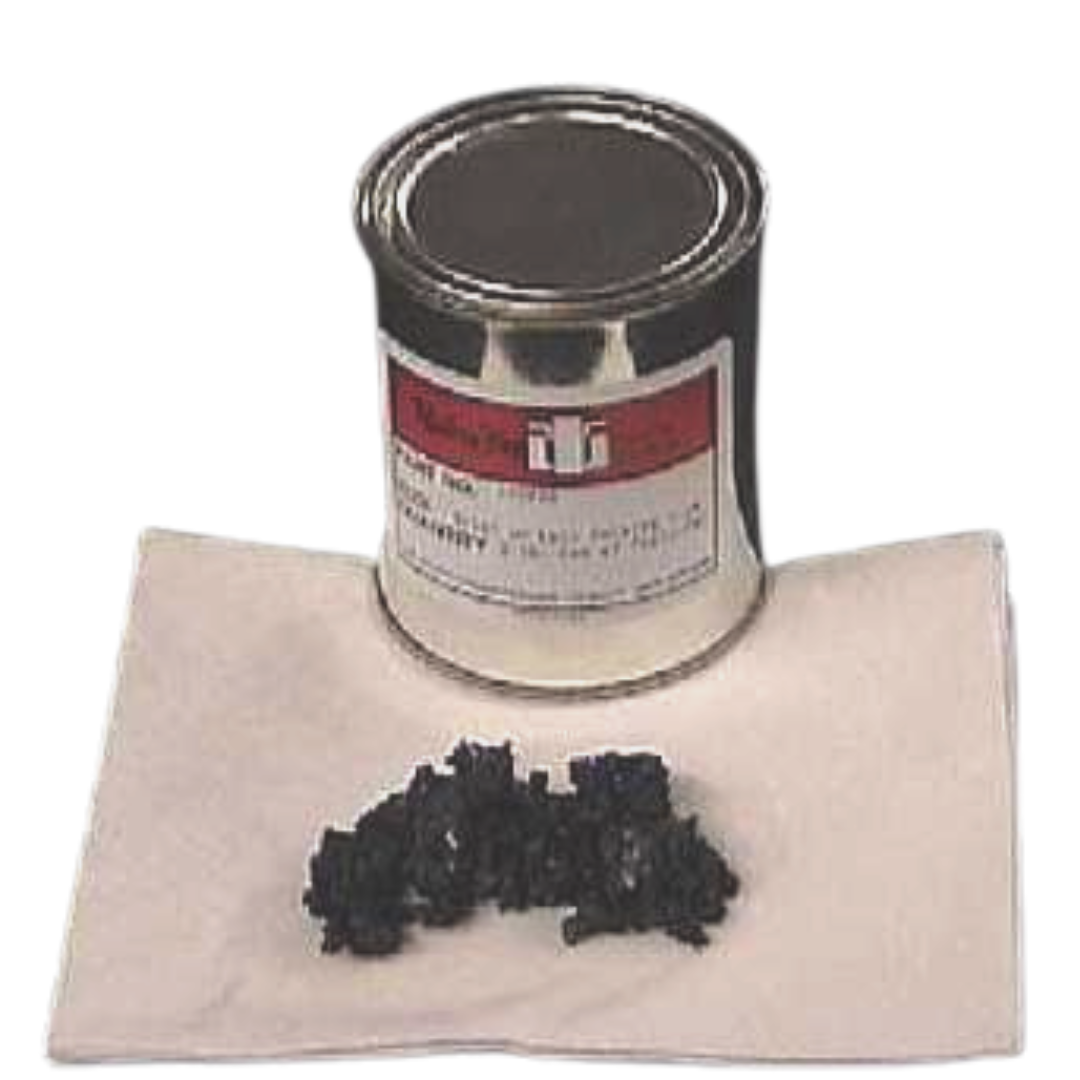 especially when you need a consistent install method and predictable compression behavior.
We describe the basic approach as: remove all old packing, clean the stuffing box, fill it full, tighten the gland completely, remove the gland to top off, then re-tighten so the final adjustment reduces leakage while still allowing stem movement. Used appropriately, this can help stabilize valve packing quickly—followed by a planned inspection of stem and box condition.
What Not To Do During a Blowout
- Do not crank down aggressively to force the leak to stop.
- Do not add new material on top of contaminated, hardened, or seized remnants.
- Do not ignore stem condition and expect packing to “make up for it” indefinitely.
- Do not leave the area until leakage is stable and valve function is confirmed.
Turning One Blowout Into Fewer Repeat Leaks
After operations are stable, treat the incident as a signal. Inspect the stem for scoring, corrosion, or pitting, confirm the follower sits square, and document what was happening (pressure, temperature, media, and how quickly compression relaxed). This is how you prevent the next mid-shift surprise.
It also helps to match materials to real operating limits. RainsFlo states Putty-Pac operates effectively up to 450°F and within a pH range of 2 to 11. Selecting the right material, installing it cleanly, and adjusting it gradually is how valve packing becomes a controllable maintenance item instead of an emergency.