 RainsFlo
 When pump packing starts pushing out of place, the problem may not be the packing alone. In many cases, the real issue is excess clearance inside a worn or wallowed stuffing box. Back-up rings help inhibit extrusion, support the packing set, and keep pumps operating reliably when the stuffing box is no longer in ideal condition.
Packing is designed to compress around the shaft or sleeve and control leakage. For that to happen consistently, it needs support from the surrounding equipment. When the box becomes worn, enlarged, or uneven, pressure can force packing material into gaps instead of allowing it to stay seated. This movement is called packing extrusion, and once it starts, sealing performance becomes harder to control.
What Packing Extrusion Means
Extrusion happens when packing material is squeezed into an open clearance area under pressure. Instead of staying evenly compressed around the shaft or sleeve, the material moves into spaces where it should not go. This can cause uneven sealing, higher leakage, premature wear, and repeated maintenance.
For maintenance teams, extrusion is often a sign that the equipment around the packing should be inspected. Fresh packing can only do so much if the stuffing box is worn, enlarged, or wallowed. That is where back-up rings can make a practical difference.
Why Stuffing Boxes Wear Out
Stuffing boxes wear over time for many reasons. Long operating hours, abrasive media, shaft movement, vibration, misalignment, improper installation, and repeated adjustments can all contribute. As the bore wears, the packing set may lose the support it needs to seal evenly.
A worn stuffing box does not always mean the pump must come out of service immediately. However, it does mean the sealing system may need added support to control movement and reduce extrusion. Our RainsFlo Cast Closure Rings, also known as back-up rings, are designed for this type of situation.
Warning Signs to Watch For
Common symptoms can include:
- Appears pushed out, pinched, or displaced near the gland
- Leakage returns quickly after adjustment
- The gland follower does not sit evenly
- Packing looks shredded or deformed during removal
- The same pump needs repacking more often than similar equipment
These signs suggest that the material is not being supported evenly. If the issue keeps coming back, replacing without addressing the clearance problem may only create another short-term fix.
How Back-Up Rings Help
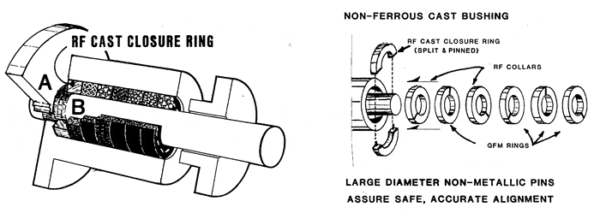
Back-up rings are not the primary sealing material. Their role is to support the packing set and help limit the open space where it can move under pressure. By reducing the area available for extrusion, they help the packing stay positioned where it can do its job.
Cast Closure Rings are designed to inhibit extrusion and allow a pump to keep operating while the stuffing box is worn or wallowed. They can also help reposition RainsFlo packing rings along a shaft or sleeve to a less worn area. That may help extend life and reduce immediate downtime.
Our Cast Closure Rings are quick and easy to install and are available in both split and pinned designs. That matters when reducing downtime is almost as important as solving the sealing issue.
Keeping Packing Supported Under Pressure
Think of back-up rings as a support solution, not a way to ignore equipment condition forever. If a stuffing box is severely worn, the pump may eventually need repair, machining, sleeve work, or other corrective service. However, added support can help maintenance teams keep equipment running while planning a more complete repair at the right time.
Packing extrusion can turn a routine sealing issue into repeated leakage, maintenance, and downtime. When the stuffing box is worn or wallowed, the set needs more than compression. It needs support. Back-up rings help control extrusion, improve stability, and give maintenance teams a practical way to keep pumps operating while documenting what needs to be addressed next.